How The AdjustaStairs™ System Improves Safe Access on Construction Site Slopes
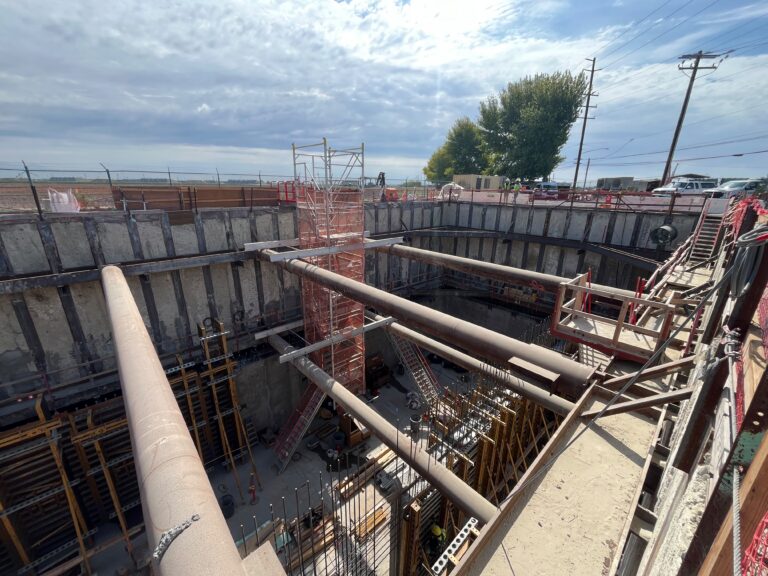
MATT Construction faced a major access challenge on a large active construction site. Workers were parking off-site and walking roughly half a mile to one mile around the project just to reach the active work area.
The site included a steep dirt slope that could provide a far more direct route into the work zone, but only if a safe, OSHA-aligned stair access system could be installed.
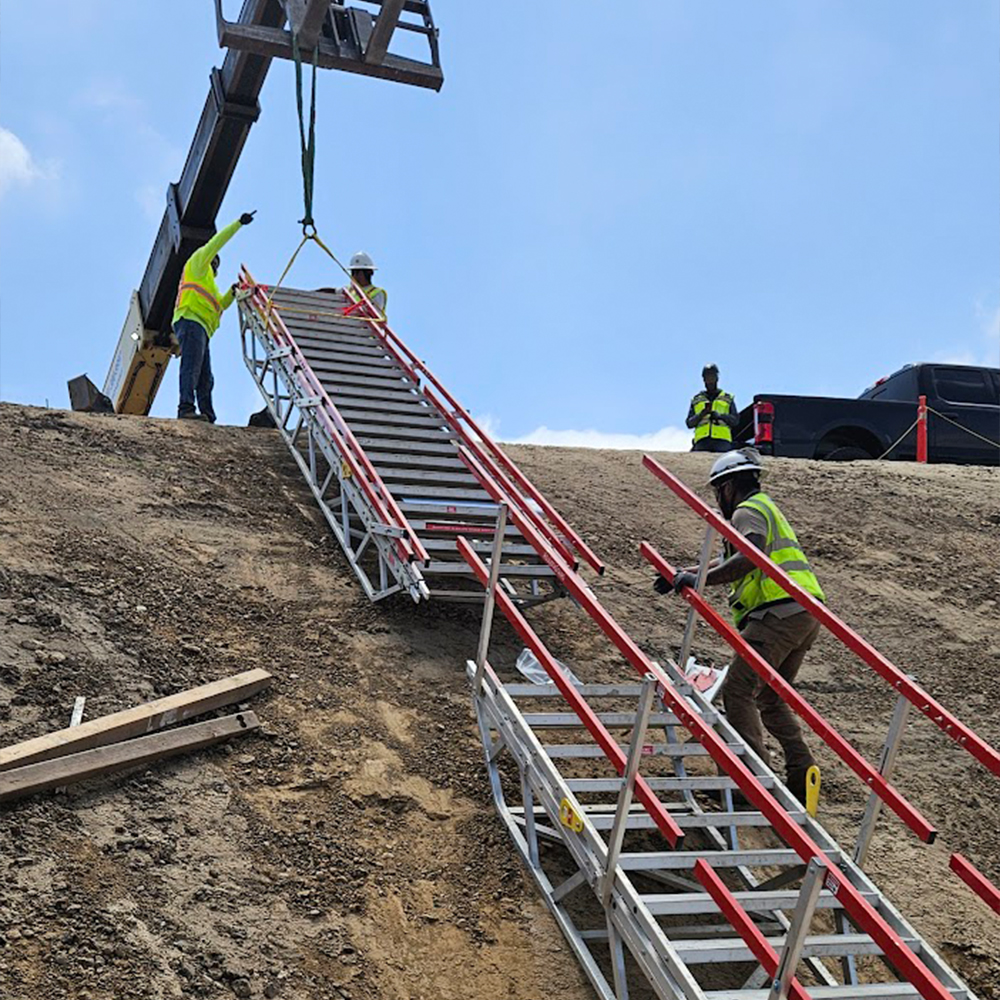
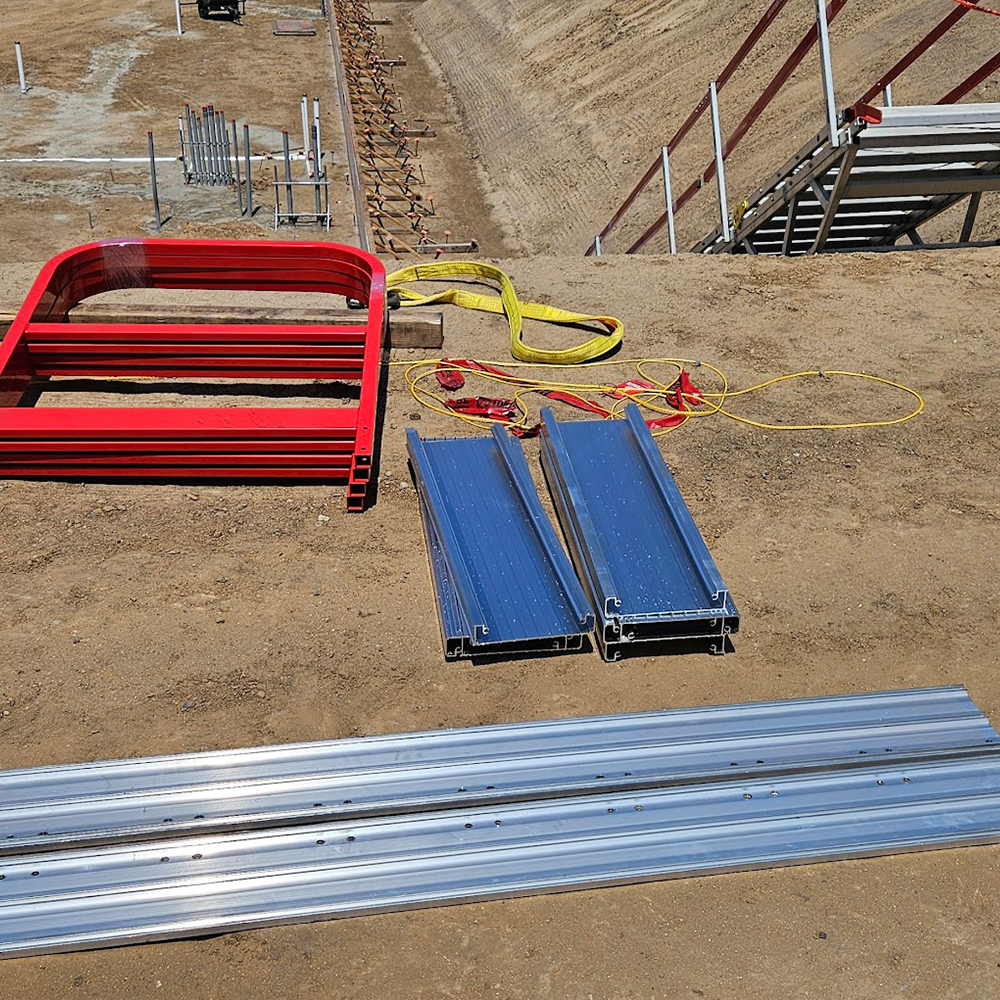
Fortunately, MATT Construction already owned two 22-step x 36-inch-wide SafeSmart AdjustaStair units that had previously been used on another project. Instead of sourcing an entirely new temporary access solution, the team pulled the existing units back into service and reconfigured them for the slope application.
The project became a strong example of why AdjustaStairs are increasingly becoming the go-to solution for slope access on construction sites where terrain, elevation, and jobsite conditions constantly change.

The Challenge of Safe Slope Access on Construction Sites
Slope access is one of the most common challenges on active construction projects.
As grades shift throughout excavation and site development phases, crews are often forced to navigate dirt embankments, uneven terrain, and temporary elevation changes simply to move between work areas. Traditional access methods in these conditions are often inefficient, inconsistent, or unsafe.
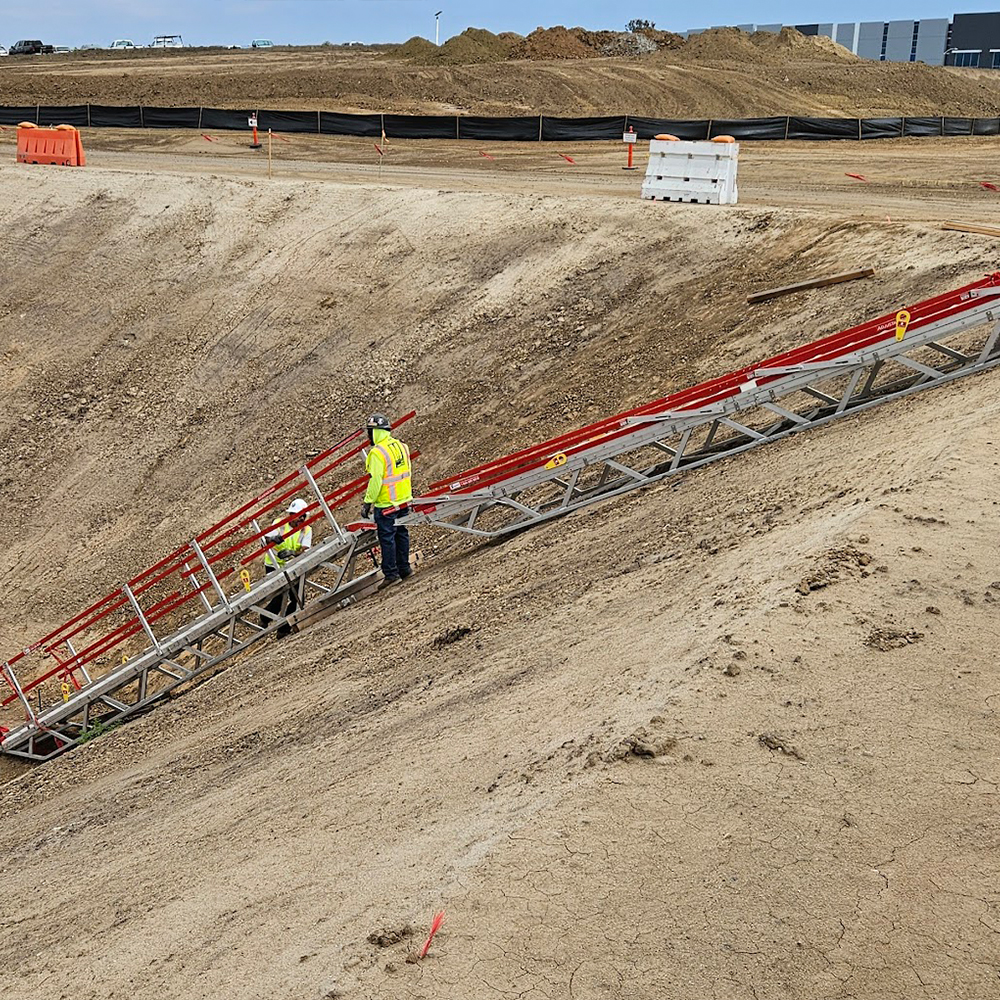
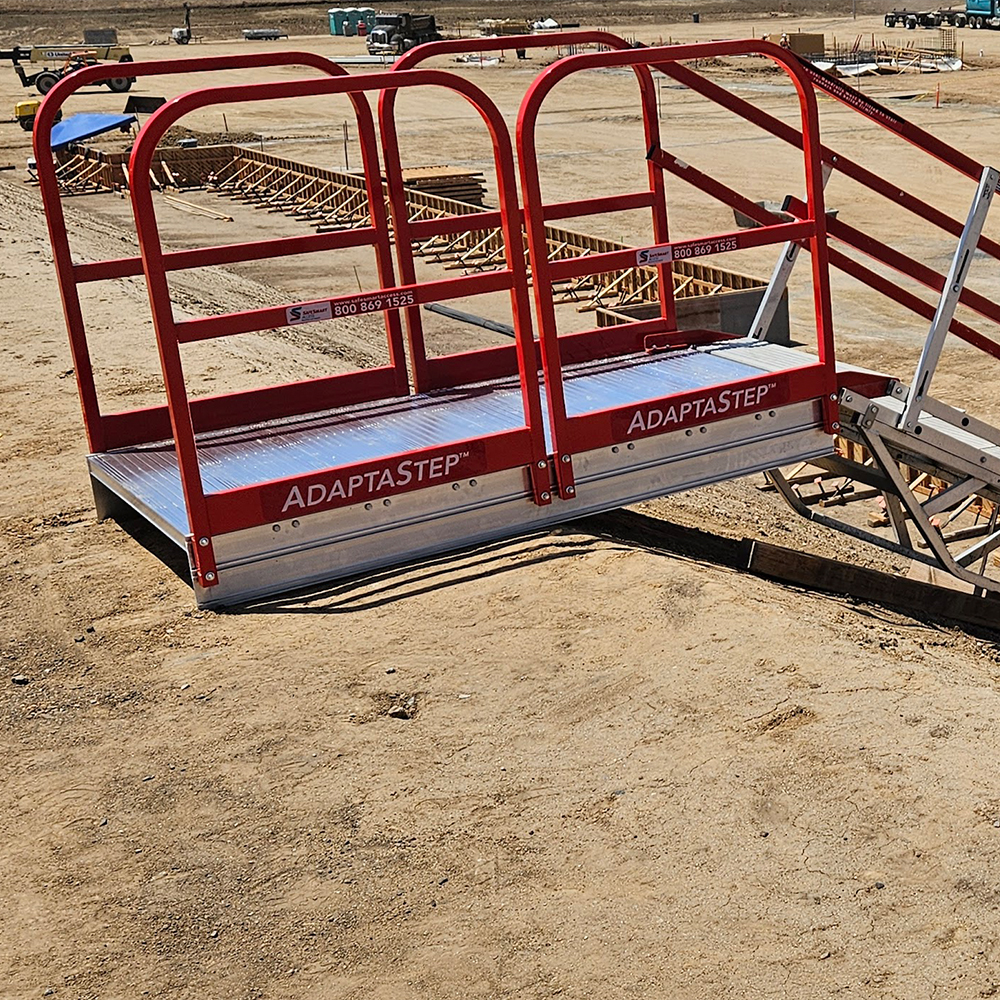
In this case, the existing AdjustaStair units were already the ideal solution for the terrain because the articulating stair design allows the system to adapt to uneven slope conditions while maintaining a safer and more stable walking surface for workers.
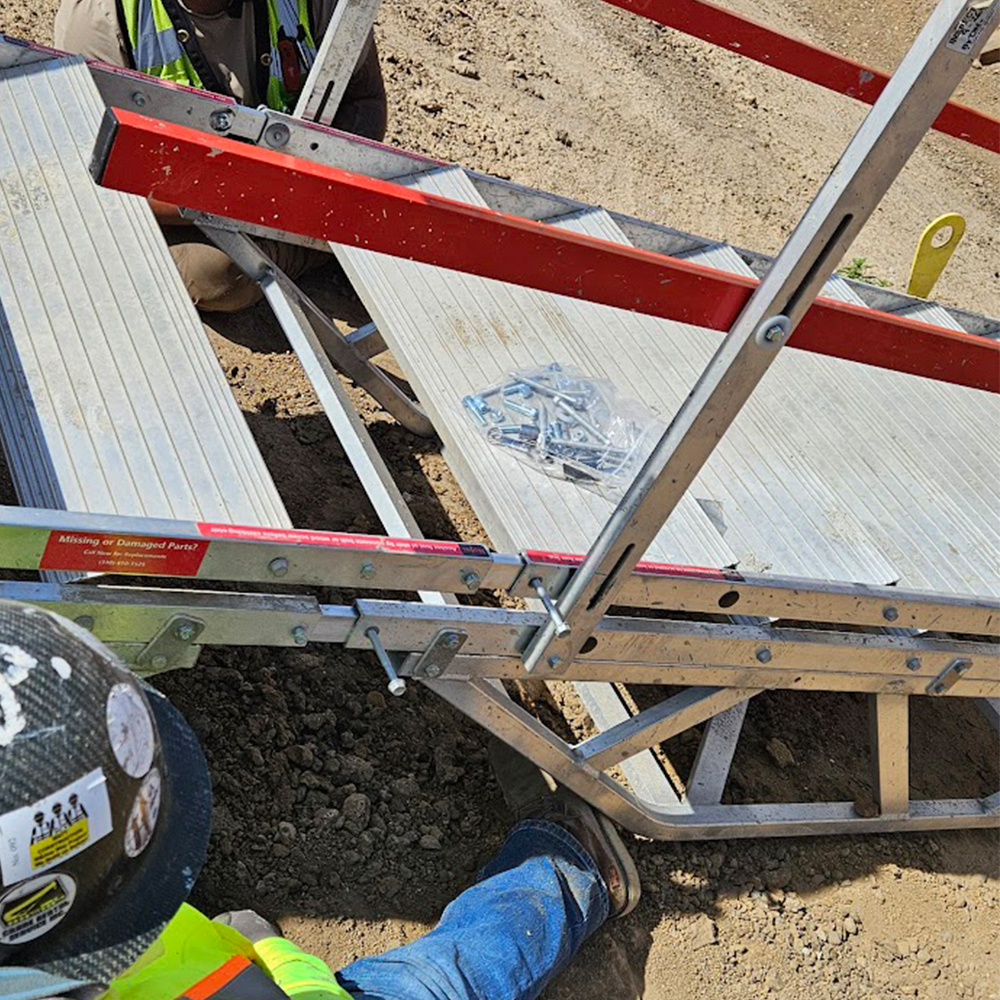
However, the site team identified one issue: the original joiner kit required to connect the two stair units into one continuous stair run was missing.
Without the proper joiner system, the stairs could not be installed as a fully connected, compliant access route.
At the same time, the access route had immediate operational value. Every day without the stair system meant workers continued walking extended distances around the site perimeter, reducing productivity and increasing unnecessary movement across the project.
Scaffold stair towers require additional labor, material, and installation time.
Extension ladders positioned on dirt slopes create significant safety concerns.
Dirt-cut steps deteriorate quickly and become inconsistent under daily use.
Temporary wood stairs often require repeated maintenance and rebuilding.
The project required a fast, stable, reusable slope-access solution specifically designed for changing construction environments.
Why AdjustaStairs Were the Right Fit for the Application
Unlike fixed-angle stairs or temporary ladders, AdjustaStairs are specifically engineered to adapt to changing elevations and uneven terrain commonly found across active jobsites.
The adjustable articulating stair design allows the stair angle to adapt to varying slope conditions while maintaining safer worker access during ascent and descent.
This makes the system especially effective for dirt slopes, excavation access, grade transitions, and temporary site routes where traditional access systems often struggle to provide stable footing and consistent worker movement.
For this application, the AdjustaStair system provided several key advantages:
Adjustable stair geometry for uneven terrain
Integrated handrails for safer worker movement
Modular stair sections capable of creating continuous stair runs
Lightweight aluminum construction for easier relocation
Faster deployment compared to scaffold stair towers
Reusable equipment that can move from project to project
OSHA-aligned temporary stair access
More stable footing compared to ladders on slopes
The Result
Once installed, the new access route dramatically improved movement across the project.
Workers were able to access the active work zone directly over the slope rather than walking extended distances around the site perimeter. Estimated time savings reached approximately 30 minutes per worker per day, creating meaningful productivity gains across the project.
30 MINUTES
Estimated daily time savings per worker through improved slope access and reduced travel distance across the site.
The completed system helped improve:
Worker safety
Access efficiency
Crew productivity
Site navigation
OSHA-aligned access compliance
Return on existing equipment investment
More importantly, the project demonstrated how properly engineered adjustable stair systems can solve real-world slope access challenges faster, safer, and more effectively than traditional temporary access methods.